Posted on 11/10/2026
Kensington and Chelsea Council rules for flowers at events: what you need to know before you plan
If you are arranging flowers for a wedding, funeral, corporate function, private dinner, or community gathering in Kensington and Chelsea, the council rules for flowers at events can shape a lot more than people expect. A simple display in a venue lobby can be fine. A floral arch, pavement arrangement, or large outdoor installation? That may bring in permission, access, safety, waste, or licensing questions. And yes, the details matter. A lot.
In practice, the safest approach is not to assume that flowers are automatically "low risk" just because they are decorative. In central London, space is tight, footfall is high, and venues are often surrounded by shared walkways, listed buildings, loading restrictions, or resident access issues. This guide breaks down the likely expectations, how to plan sensibly, and what to check before you place a single stem. It is written to help you avoid the sort of last-minute scramble that nobody enjoys at 8:30 on a rainy Friday morning.
For many events, the biggest issue is not the flowers themselves but where they go, how they are installed, and who is responsible for removing them afterwards. That sounds obvious. In real life, people often discover it the hard way.
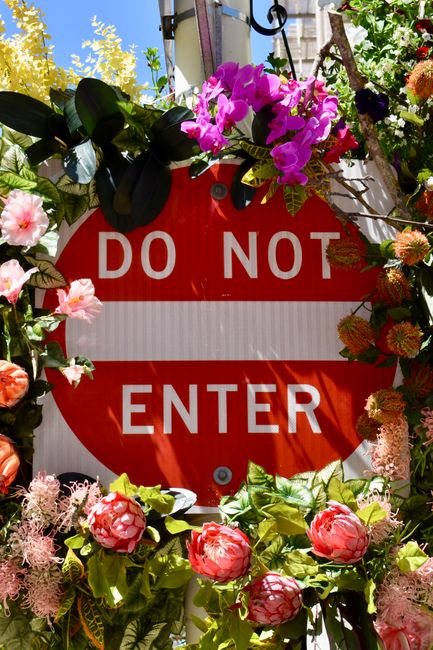
Why Kensington and Chelsea Council rules for flowers at events Matters
Kensington and Chelsea is not a place where you can simply assume there will be plenty of room to "just pop a few arrangements outside". The borough has busy streets, elegant but often narrow frontages, tightly managed public spaces, and a large mix of private venues, residential buildings, and commercial premises. That makes event floristry more sensitive than it might be elsewhere.
The council's expectations matter because flowers can affect:
- pedestrian access and crowd flow
- building entrances and emergency exits
- pavements, kerbs, and shared spaces
- waste and clean-up obligations
- noise and delivery timings
- venue management and local neighbours
A tasteful arrangement can make an event feel calm, polished, and memorable. But a poorly placed display can block a doorway, create trip hazards, or trigger complaints from building management. Truth be told, most problems are avoidable if you think like a planner rather than a decorator.
There is also a reputational angle. In a borough known for high standards, people notice whether an event feels controlled and respectful. That means flower choices, placement, and handling can all influence how professional your event appears. If you are planning a wedding or business function, that matters more than most people admit.
Practical takeaway: In Kensington and Chelsea, flowers are usually welcomed as part of an event. The real question is whether they are installed in a way that respects access, safety, and the venue's own rules.
How Kensington and Chelsea Council rules for flowers at events Works
There is rarely one single "flowers at events" rule sitting in isolation. Instead, floral plans are usually shaped by a mix of council expectations, venue conditions, property rules, and general public-safety standards. That is why two events with similar flowers can be treated very differently.
Here is how it usually works in practical terms:
- Identify the location. Is the display inside a venue, in a private garden, on a pavement, or near the public highway?
- Check who controls the space. A private venue, management company, housing block, or council-managed area may each have different rules.
- Assess the installation type. Loose table flowers are very different from arches, plinths, hanging florals, or freestanding outdoor pieces.
- Review access and safety. Make sure the arrangement does not obstruct doorways, ramps, exits, or routes used by guests and staff.
- Plan delivery and removal. Consider loading access, time windows, and clean-up responsibilities.
- Confirm approvals where needed. If the flowers are going into a semi-public or outdoor area, you may need permission from the venue or managing body, and sometimes a council process too.
That last point is the one people often miss. They choose the flowers first and ask permission later. That is backwards. Start with the space. Then decide what the space can safely take.
There is a useful rule of thumb: the more your floral design interacts with shared or public space, the more likely it is to need approval. A bride's bouquet at a reception table? Usually simple. A large floral wall near a public entrance? Much more likely to require checks. A planter line along a pavement outside a function? Even more so.
If your event includes other celebratory details, it can help to think in the same structured way you would with gifting and display choices. For example, a venue-friendly floral package often goes better with carefully selected options such as florist choice arrangements or a considered style from all flowers, rather than a bulky installation that has to be reworked on arrival. That is not about limiting creativity. It is about making the event flow smoothly.
Key Benefits and Practical Advantages
Understanding the rules is not just about avoiding problems. It also helps you create a better event. Once the constraints are clear, floral planning becomes easier, faster, and oddly enough, more creative.
Here are the main benefits of getting the Kensington and Chelsea council expectations right from the start:
- Fewer delays on the day. No rushing because an entrance has to be moved or a display is too large.
- Lower risk of refusal or removal. You are less likely to be told to change things at short notice.
- Cleaner presentation. A compliant setup tends to look more polished and intentional.
- Better guest experience. Guests can move freely without awkward bottlenecks.
- Improved venue relations. Venue teams are usually much happier when the floral plan is realistic.
- Less waste. Planning the teardown properly reduces damaged flowers and leftover mess.
There is also a subtle commercial benefit if you are a planner, caterer, or florist: a client remembers when an event runs smoothly. Not dramatically. Just quietly. The doors open on time, the arrangements look exactly where they should, and nobody is arguing about a blocked path while guests arrive in taxis. That calm is valuable.
And if you are working to a budget, it helps too. A compliant plan avoids expensive last-minute fixes, emergency transport, or replacement blooms. Sometimes the cheapest-looking approach is actually the most expensive once you start correcting avoidable mistakes. Bit of a nuisance, really.
Who This Is For and When It Makes Sense
This topic matters to a wide group of people, not just professional event managers. If flowers are part of your event in Kensington and Chelsea, you should care about the rules one way or another.
It is especially relevant for:
- couples planning weddings or civil ceremonies
- families organising funerals or memorial gatherings
- corporate hosts arranging receptions, launches, or networking events
- venues hosting private hire events
- florists delivering and installing arrangements
- event planners managing multi-supplier setups
- residents using communal or shared spaces for celebrations
It makes sense to review the rules early if your flowers will be:
- placed outside a building
- attached to railings, gates, or fixtures
- set up in communal gardens or courtyards
- used near a public path or entrance
- part of a large or temporary event structure
If your florals are purely indoors and under the venue's direct control, the process is usually simpler. But even then, there may be fire safety considerations, especially with candles, fabric, electrical equipment, or tall displays near exits. A flower arch can look glorious under soft evening light. It can also be a nuisance if it stands exactly where guests need to pass. Both things can be true.
For local events, many organisers like to choose styles that are practical and elegant rather than overly elaborate. Seasonal selections, compact table pieces, and well-proportioned bouquets often work better than oversized installations. If you are planning for a private celebration, a thoughtful option like wedding flowers or flowers for any occasion can be easier to adapt to the venue's layout.
Step-by-Step Guidance
Let's keep this practical. If you want to handle flowers at an event in Kensington and Chelsea without stress, follow these steps in order.
- Confirm the event location. Get the exact indoor and outdoor spaces listed. Do not rely on vague venue descriptions.
- Ask who controls each area. The venue may control the interior, while the pavement, forecourt, or shared garden may be controlled separately.
- Describe the floral plan clearly. Include size, placement, installation method, height, anchoring, and whether it will remain after the event.
- Check access and emergency routes. Make sure nothing blocks exits, fire doors, wheelchair routes, or service access.
- Confirm delivery times. Central London logistics can be tight. Morning loading is not always possible, and late afternoon traffic can be a mess.
- Agree removal responsibilities. Decide who clears containers, petals, ties, water, packaging, and any damaged items.
- Document approvals. Keep written confirmation from the venue or managing party. If a council process is involved, record it neatly.
- Recheck on the day. The site might look different from the plan, especially if another supplier has already set up nearby.
A good florist or planner will think in layers. First the space. Then the route in. Then the visual impact. Then the clean-up. It is slightly dull to talk about it this way, I know, but that dullness is what saves you on event day.
One small but important habit: take photos of the completed setup, especially if the flowers are placed near shared areas. If there is a later question about positioning, you will be glad you did. Time anchor wise, this sort of evidence feels unnecessary right up until it is suddenly very necessary.
If you are ordering from a local florist, it can also help to choose products that match the setting. For example, a venue-friendly bouquet or compact arrangement from best sellers can be a better fit than a tall statement piece when space is tight. In event planning, fit beats drama more often than people think.
Expert Tips for Better Results
In our experience, the best event florals in Kensington and Chelsea are rarely the fanciest. They are the ones that fit the venue so well that everything feels effortless.
Here are a few expert tips that make a real difference:
- Design to the room, not the mood board alone. A design can be beautiful and still wrong for the space.
- Keep entrances clear. Guests do not want to squeeze past a display while balancing a drink and a coat.
- Use weighted bases outdoors. Wind catches tall or lightweight arrangements more than people expect.
- Choose hardy blooms for long events. Flowers need to survive transport, temperature changes, and waiting around. Poor things.
- Match scale to formality. A small civil ceremony can be elevated with restrained arrangements, while a larger reception may need a broader visual rhythm.
- Ask about spill risk. Water tubes, trays, moss, and foam all need sensible handling so floors stay safe.
It also helps to think seasonally. Not only because seasonal flowers often look fresher, but because they tend to be easier to source and more adaptable. A winter event near a drafty entrance needs a different approach from a summer garden reception. That sounds obvious, but people forget it when they are deep in Pinterest mode.
Another useful habit is to keep backup blooms or spare stems ready. Even the best planned floral setup can suffer one bent head, one dropped vase, one slightly too enthusiastic taxi ride. A small contingency box can save the day. Not glamorous, but very effective.
If the event has a premium feel, consider elegant but manageable choices such as luxury flowers or refined flowers in a vase, especially when the venue team wants simple, contained arrangements that are easy to position and remove.
Common Mistakes to Avoid
Most mistakes around flowers at events in Kensington and Chelsea are boringly predictable. That is actually good news, because predictable problems are fixable.
Watch out for these:
- Assuming the venue approval is enough. If the flowers affect a public or shared area, the venue's okay may not be the only okay you need.
- Ignoring access routes. A display can look lovely and still make the space awkward or unsafe.
- Underestimating installation time. Delivery, unpacking, conditioning, and positioning always take longer than expected.
- Forgetting removal. Flowers do not magically disappear after the final toast.
- Using overly fragile flowers in exposed areas. Some blooms simply do not enjoy wind, heat, or long waiting periods.
- Failing to brief suppliers. If your florist does not know the access rules, everyone feels it later.
One common issue is the "it's only for a few hours" assumption. That is usually where trouble starts. A temporary installation can still affect congestion, safety, and the venue's obligations. Short-term does not mean consequence-free.
Another one: choosing a display because it photographs well without checking whether it can actually live in the space. A photo backdrop is great until it blocks the coat rail, the exit, and half the conversation. Then it is just a very floral obstacle.
Tools, Resources and Recommendations
You do not need a huge toolkit to manage event flowers well, but a few practical tools make a difference. Think simple, reliable, and easy to check on the day.
Useful things to have include:
- a scaled floor plan or marked-up venue sketch
- a delivery and setup timeline
- a short responsibility list for supplier, venue, and organiser
- checklists for arrival, installation, and removal
- photographs of access points, entrances, and proposed display areas
- spare cloths, ties, scissors, labels, and water-safe containers
On the product side, it helps to choose styles that are easy to transport and adapt. Browsing a florist's curated range can give you a better sense of what will work practically. For example, flower care guidance is useful if you want arrangements to stay fresh through the event, while same-day delivery options can be helpful when plans change at short notice.
For corporate or larger hosted occasions, it can also be useful to coordinate floral orders through a structured account process rather than a one-off rush. That is where something like corporate accounts may help if you manage recurring events or venue-based work.
If you need to talk through logistics, a direct conversation is often better than ten emails. A quick call about loading access can save you a lot of trouble. A very British kind of efficiency, really.
Law, Compliance, Standards, or Best Practice
Flowers themselves are not usually the compliance issue. The surrounding circumstances are. In Kensington and Chelsea, the main concerns tend to sit around public access, safety, venue permissions, environmental clean-up, and whether an installation affects shared or controlled spaces.
Depending on the event, you may need to think about:
- public highway or pavement restrictions
- building management requirements
- fire safety and unobstructed exits
- manual handling during installation
- waste disposal and end-of-event removal
- noise, loading, and delivery timing conditions
Best practice is to treat anything outside a private, fully controlled indoor setting as needing review. If flowers will be positioned where the public can pass, where they may affect neighbouring properties, or where they are attached to anything structural, check before proceeding. That is the safe route, and usually the sensible one too.
If you are organising a memorial service or funeral-related event, the same careful approach applies. Respect for the venue and the family's wishes matters, as does the handling of tributes. Arrangements such as funeral flowers or sympathy flowers are often selected not just for appearance but for how neatly they fit a service schedule and space.
One important note: if you are unsure whether a floral display counts as a temporary installation, a decoration, or something closer to a structure, err on the side of caution and ask for clarification. That sort of question is not fussy. It is prudent. There is a difference.
Options, Methods, or Comparison Table
When planning event flowers in Kensington and Chelsea, the right option depends on whether you are working indoors, outdoors, or in a shared access area. Here is a simple comparison to help you decide.
| Floral option | Best for | Likely compliance effort | Main advantage | Main drawback |
|---|---|---|---|---|
| Table arrangements | Indoor receptions, dinners, meetings | Low | Simple, elegant, easy to control | Less visual impact in larger rooms |
| Hand-tied bouquets | Private gifting, smaller ceremonies | Low | Flexible and easy to transport | Not suitable as a feature installation |
| Floral arches | Weddings, photo moments, entrances | Medium to high | High visual impact | Can obstruct access if badly placed |
| Outdoor displays | Ceremonies, frontage decoration | High | Strong street presence | May need permissions and weather planning |
| Memorial tributes | Services, remembrance events | Usually moderate | Respectful and meaningful | Must be timed and placed carefully |
If you want the lowest-friction option, contained indoor arrangements are usually the easiest. If you need visual drama, build it in a way that can still be moved, managed, and removed without disrupting the venue. That balance is the sweet spot.
Case Study or Real-World Example
Imagine a small wedding reception in a Kensington townhouse-style venue. The couple wants a floral welcome display, table arrangements, and a tall feature near the entrance for photos. Lovely idea. Very London. Very elegant.
The planner checks the layout and notices that the entrance is also the main access point for guests, suppliers, and venue staff. The tall display would narrow the doorway enough to cause a bottleneck, especially once coats, umbrellas, and gift bags come into the picture. On top of that, the building has a shared hallway, so the frontage cannot be treated as purely private space.
So the plan changes:
- the entrance feature is reduced in width
- the tallest flowers move indoors, just inside the reception room
- table arrangements are kept low enough for sightlines and conversation
- the delivery window is moved earlier to avoid a tight turnaround
- a removal time is agreed in advance with the venue manager
The result? The event still looks beautiful, but the space works properly. No awkward shoulder turns. No panicked rearranging while guests are arriving. The couple gets the photos they wanted, and the venue team stays relaxed. That is the whole point, really.
This kind of adjustment is common. It is not a compromise in the negative sense. It is smart design. And in a borough like Kensington and Chelsea, smart design tends to look more expensive anyway.
Practical Checklist
Use this checklist before confirming flowers for an event in Kensington and Chelsea:
- Have I identified whether the flowers are indoors, outdoors, or in a shared area?
- Do I know who controls the space where the flowers will be placed?
- Have I confirmed whether the venue needs approval in writing?
- Will the display block any entrance, exit, ramp, or walkway?
- Are the flowers suitable for the time of year and site conditions?
- Has delivery timing been agreed with the venue and supplier?
- Do we know who is removing the flowers and packaging afterwards?
- Have I considered water safety, spill risk, and trip hazards?
- Is there a backup plan if a display needs to be moved on arrival?
- Have I kept photos, notes, or written approval for reference?
If you can tick most of those off, you are in a strong position. If not, pause and sort the gaps before the event day arrives. Better a short delay now than a messy problem later.
Get a free quote today and see how much you can save.
Conclusion
Kensington and Chelsea Council rules for flowers at events are less about making things difficult and more about making events work properly in a busy, high-value, high-footfall part of London. Once you understand the likely expectations around access, permissions, safety, and removal, floral planning becomes far easier. You can design something beautiful without accidentally creating a logistics headache.
The best approach is simple: start with the space, check who controls it, keep access clear, and choose arrangements that suit the venue rather than fight it. That way, your flowers do their real job. They lift the room, set the tone, and leave guests with a feeling of calm rather than confusion.
And honestly, that is what good event floristry should do. Quietly. Elegantly. Without drama.
Frequently Asked Questions
Do I need council permission for flowers at an event in Kensington and Chelsea?
Not always. If the flowers are purely inside a private venue and do not affect shared space, approval may only be needed from the venue. If they go outside, into communal areas, or onto a public-facing frontage, more checks may be needed.
Can I place flowers on the pavement outside my venue?
Only if the space is properly controlled and permission has been confirmed. Pavements are often sensitive because they affect pedestrian access, cleaning, and public safety. Do not assume it is okay just because it looks temporary.
Are floral arches allowed at weddings in Kensington and Chelsea?
They can be, but it depends on where they are placed and whether they interfere with access or shared areas. A small indoor arch is usually simpler than a large outdoor one. Size and location matter more than the flower type.
What happens if my flowers block an entrance or exit?
The venue may ask for them to be moved immediately, and in some cases the event setup could be delayed. It is always better to check clearances before installation than to try to fix the problem once guests are arriving.
Do funeral flowers follow the same rules as wedding flowers?
Broadly, the same access and safety principles apply, but funeral arrangements are often timed around service schedules and may need extra sensitivity. Placement, removal, and the wishes of the family or service organiser are especially important.
Who is usually responsible for removing event flowers?
That should be agreed in advance. Sometimes the florist handles it, sometimes the venue, and sometimes the event organiser. If nobody owns the job, it can quickly become a problem after the event ends.
Are indoor table arrangements usually a problem?
Usually not. Small indoor arrangements are the simplest option because they do not typically affect public access or council-managed space. You still need to think about spills, height, and any nearby exits, though.
Can I use flowers in communal garden areas for a private party?
Possibly, but communal areas often have their own rules and may require permission from building management or residents' representatives. The more shared the space, the more important it is to check first.
Do I need special arrangements for large flower installations?
Yes, usually. Larger installations may need more careful anchoring, transport planning, and approval. They are also more likely to affect access or safety, so they should be assessed properly before the event.
What is the safest type of floral display for a small venue?
Contained arrangements in vases or low table pieces are often the safest and easiest to manage. They look elegant, are simple to reposition, and generally cause fewer access issues than large freestanding features.
How far in advance should I plan event flowers in Kensington and Chelsea?
As early as possible. For standard indoor events, a few weeks is often enough. For weddings, memorials, or events using shared or outdoor spaces, start earlier so you have time to confirm permissions and logistics properly.
What should I ask my florist before confirming an order?
Ask whether the arrangements are suitable for the venue, how they will be delivered, whether they need water or special handling, and who removes them afterwards. If the florist understands the site conditions, your life gets much easier.